
Parenting Books


A treasure trove of PRACTICAL positive parenting tips for parents of 2-6 year-olds. One of my favorite parenting books - perfect for the harried, sleep-deprived parent. See this handout for teachers and day care providers for a taste of their approach.
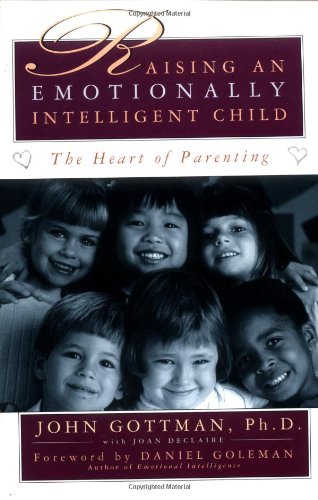
A classic parenting book on "Emotion Coaching" by a local researcher in the field of emotional intelligence and relationships.
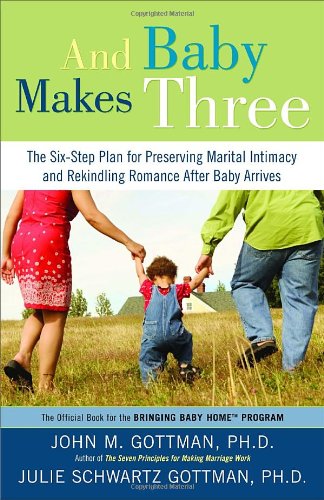
The Gottmans actually got their start in evidence-based relationship counseling. This book is a nice synthesis of their "what makes relationships work?" research and their later focus on helping new parents maintain healthy relationships. Highly recommended for new parents, adoptive or otherwise.
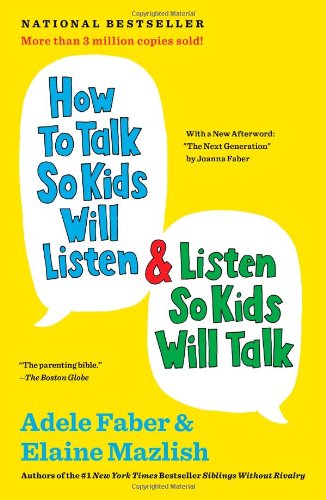
A classic on communicating and connecting with your kids.
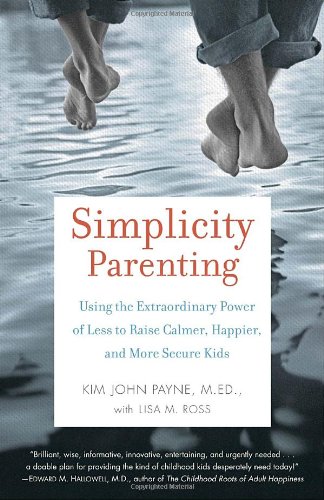
I love this book. One of my top 3 recommendations for general parenting - this approach is not a panacea, but it comes close. The author is a therapist who's worked with traumatized children, and former Waldorf teacher. His gentle, wise, non-judgmental (no "helicopter parent" put-downs here) advice on how to radically simplify household clutter, toys & books, media, and schedules, while creating predictable family rhythms and rituals, is especially important for parents adopting children from institutional or traumatic backgrounds. Less is more.
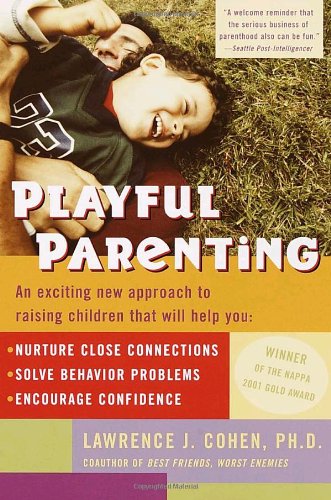
Play is such a central occupation for kids - it's how they explore and express their feelings, and maintain connection with others. If you struggle with having time and energy to play, if your child is "stuck" in a certain pattern of play or behavior, if your child feels isolated and unable to connect meaningfully, or if you just want some lovely illustrations of how and why to connect through PLAY, this book is for you.
I've found that orphanage-raised or otherwise neglected kids have significant "play defiencies", and show patterns of isolated, immature, repetitive play. This playful approach can help you connect with them, and bring them out of that lonely, powerless place. The book website has some excerpts and articles by the author.

One of my favorite "positive parenting" books. Get through the "3 types of families" (which is a bit overstated, for me) and you'll find a rich, realistic, humorous parenting foundation.

I love this concept ... this is a lovely compilation of ideas for family rituals, from day-to-day transitions to weekly meals and annual events. These are the family times that build closeness and are remembered years later. On our arts camp for Russian orphans, we had so many rituals, from "Mime dinner" to Neptune's Day to camper-counselor switch night to bedtime tea. For newly adopted children, the sooner the better to create routines and eagerly anticipated rituals.

One of my favorite recent parenting books. Goes well beyond mechanical parenting approaches, and "kids just need attention" models of behavior.

I really like Ross Greene's "Collaborative Problem-Solving Approach" for kids with intense or challenging behaviors. There are some good handouts and videos on his website, as well.

On of my favorite books for parenting, and yes, transforming, children who are difficult to parent - intense, needy, having difficulty regulating their energy and behavior, "ADHD-ish", with negative self-image, acting out to get attention, and so on. Sound like any older adoptees you know and love? It's also a fine positive parenting approach for "easier" kids. If you want a sample, check their website; I've posted the first 2 chapters on our site as well. Glasser's belief is that normal parenting and teaching methods are designed for the "average child", and that the harder normal methods are applied to difficult children, the worse the situation can get, despite the best of intentions.
I really think this approach has arrived at a simple, but essential truth about parenting ANY child - we need to reverse our typical, inadvertent pattern of paying more attention to misbehavior than to good behavior. Instead of making a big deal over negativity ("why water the weeds?"), make a big fuss over the good stuff. Their Nurtured Heart approach has 3 basic aspects:
- Super-energizing experiences of success ...
- While refusing to energize or accidentally reward negativity ...
- And still providing an ideal level of limit-setting and consequences
This approach helps therapeutically shift intense children to using their intensity in wonderful ways, and creates a world of first-hand experiences of prosocial behavior: "Here you are being successful ..." This is more than "catching kids being good", it's about having powerful ways to make any moment an opportunity to create success, by finding the good in what IS happening, but also in what ISN'T happening.
Do I like this approach? Yes indeed. You're very likely to find something useful, if not transformative, in this resource. As for his take on medications, I find it to be provocative, but not as much in line with our experience. The "energy" that kids with significant ADHD or FAS have is not always a gift to be cherished, and medications can be invaluable, as part of a comprehensive plan like the Nurtured Heart approach and school accommodations. But it certainly would be reasonable to give this approach the old college try first.




